Batteries turn energy into something you can save for later. Understanding a few core terms will help you get much more out of any backup or DIY project.
Capacity: how much it holds
Capacity is often listed in amp-hours (Ah). Multiply by the battery voltage to get watt-hours: a 12 V, 100 Ah battery stores about 1,200 Wh in theory, and less in practice.
Depth of discharge: how much you use
Many batteries last longer when they are not drained completely. Check the manufacturer's recommended depth of discharge and plan around it.
Inverters: from DC to household AC
Batteries store direct current (DC). Most home appliances use alternating current (AC), so an inverter sits between them. Size it for the combined watts of what you will run, with headroom for start-up surges.
Store and charge safely
- Use the charger made for your battery chemistry.
- Keep batteries ventilated, dry and away from heat sources.
- Protect terminals from accidental short circuits.
The bonus book The Ultimate Battery Secrets in the Energy Revolution System package goes deeper into this topic.
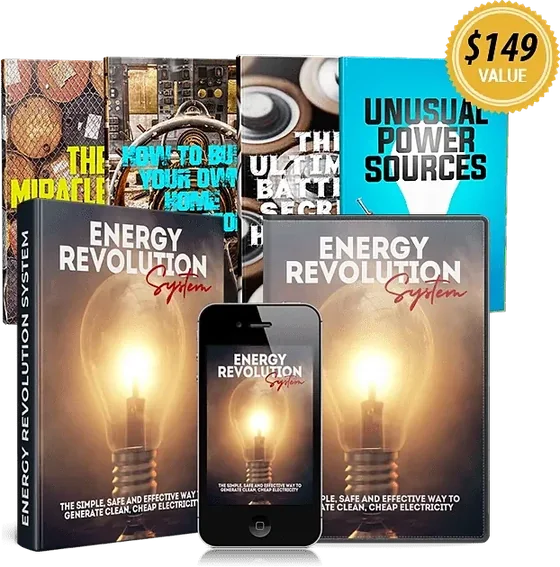
Learn More with the Energy Revolution System
A hands-on DIY energy guide plus 4 bonus books, $39 one-time with a 60-day guarantee.
What's inside Order Now