Your electric bill is the best energy report you already own. Once you know how to read it, you can spot waste, compare months and set realistic goals for any home-energy project.
1. Find your usage in kWh
Look for the total kilowatt-hours used in the billing period. This is the number that changes when your habits change. Many utilities also show a 12-month history chart, which makes seasonal patterns easy to see.
2. Separate the rate from the fixed charges
Most bills combine a per-kWh energy charge with fixed monthly fees (customer or service charges). Only the per-kWh portion falls when you use less, so knowing the split tells you how much savings are realistically on the table.
3. Check for time-of-use pricing
Some plans charge more at peak hours. If yours does, shifting laundry or dishwashing to off-peak times can lower the bill without using less energy at all.
4. Connect the numbers to your appliances
The U.S. Energy Information Administration lists heating, cooling, water heating and refrigeration among the biggest residential electricity uses. Start there. The Department of Energy's appliance-estimating guide shows a simple formula: watts × hours used ÷ 1,000 = kWh per day.
Put it to work
Keep a simple monthly log of your kWh. It turns any DIY or efficiency project into something you can actually measure. Our Home Energy Awareness focus area builds on these basics.
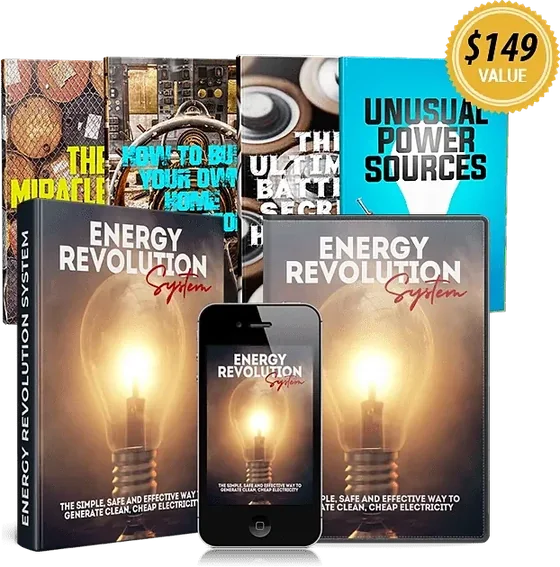
Learn More with the Energy Revolution System
A hands-on DIY energy guide plus 4 bonus books, $39 one-time with a 60-day guarantee.
What's inside Order Now