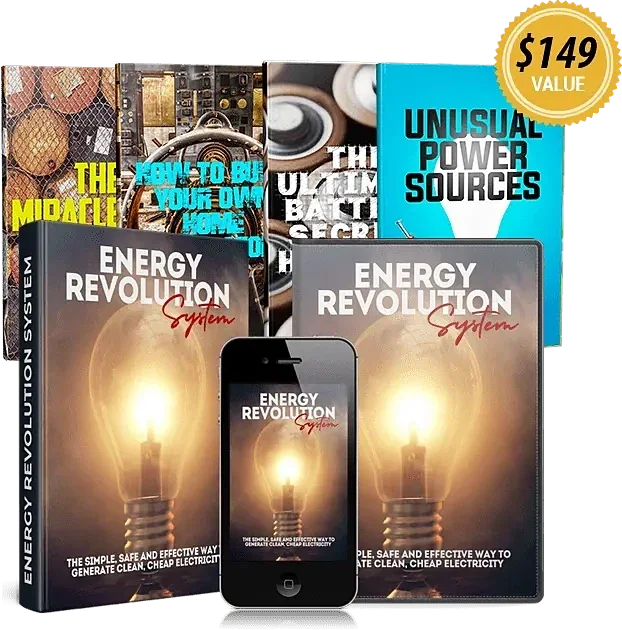
Every good energy project starts with a simple question: where does my electricity actually go? The Energy Revolution System package is built for hands-on learners, and the most useful skill it encourages is measuring before you build. Once you know your real loads, you can judge any DIY project (including the one in the main guide) with clear eyes.
Know the two numbers that matter
Watts describe how fast a device uses power at a given moment. Kilowatt-hours (kWh) describe how much energy it uses over time, and that is what your utility bills you for. A 1,000-watt heater running for one hour uses 1 kWh. Our article on watts vs. kilowatt-hours walks through the maths.
Find your biggest loads first
The U.S. Energy Information Administration notes that heating, cooling, water heating and refrigeration account for much of a typical home's electricity use. That means small gadgets rarely move the needle, while a single large appliance can. A plug-in usage monitor (the kind the Department of Energy describes in its appliance-estimating guidance) is an inexpensive way to see the numbers for yourself.
How this fits the guide
- Use your load list to set realistic goals for any build in the guide.
- Compare projected output with what your devices actually draw.
- Pair DIY learning with proven efficiency steps from a home energy assessment.
Next, see how this knowledge links to battery and backup power.
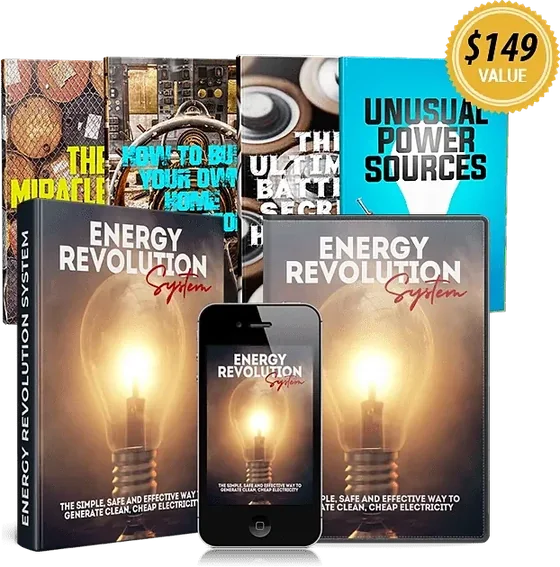
Covered in the Energy Revolution System
Main guide + 4 bonus books · $39 one-time · 60-day guarantee
Get Instant Access